

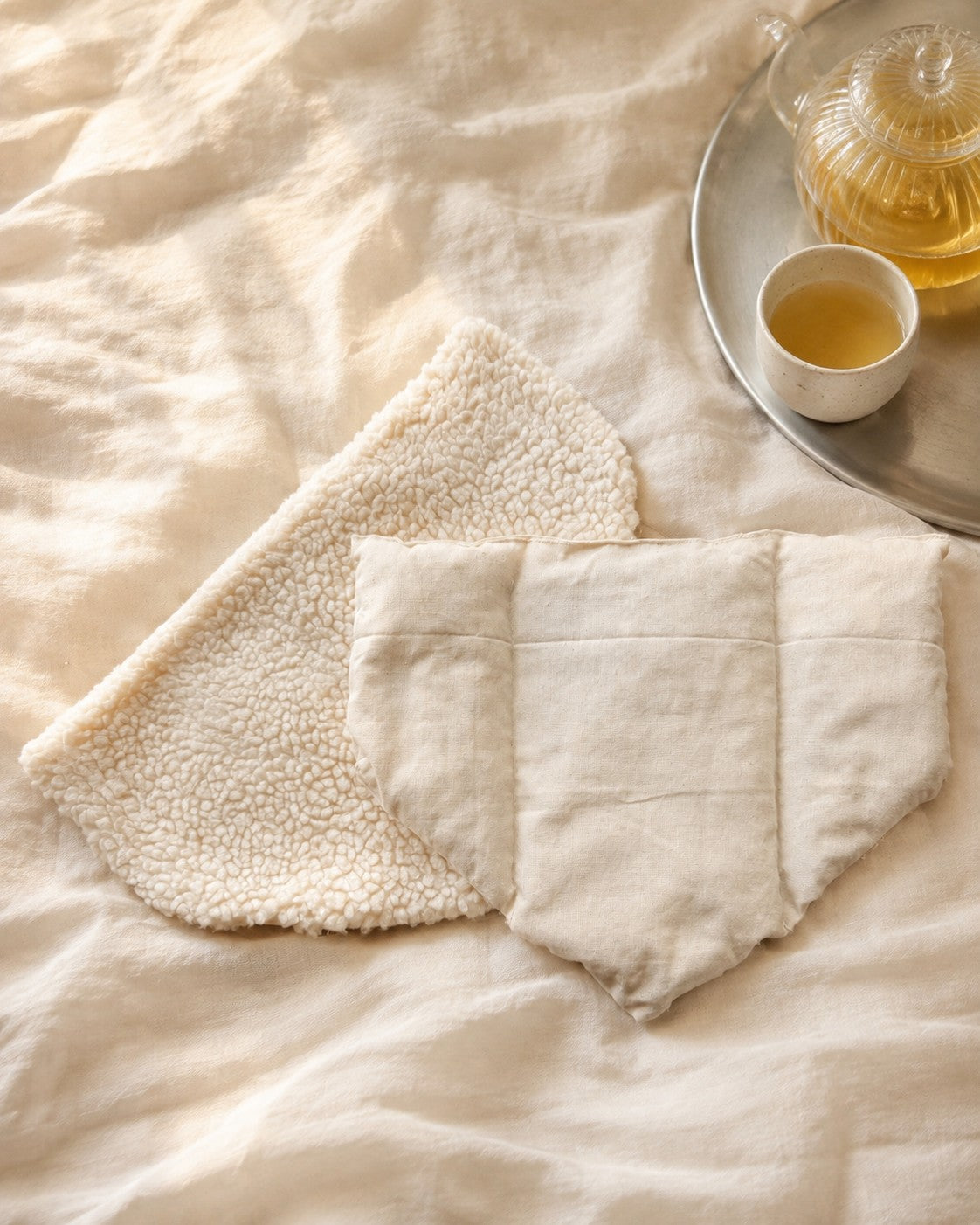
Herbal Heat Compress : From Thai Wisdom to Comfort During Your Period
Herbal heat compresses are a time-honoured part of Traditional Thai Medicine (TTM) — a simple, nurturing way of combining warmth with herbs to ease muscle tension, soothe aches, and help the body relax.
In TTM, menstrual pain is understood as a result of restricted blood circulation, trapped gas, and imbalance in the lower abdomen. Warmth is used to disperse this stagnation, relax tense muscles, and support the smooth flow of internal energy along pathways known as Sen Prathan (เส้นประธาน) — channels believed, in Thai wisdom, to carry vital life force throughout the body, not unlike meridians in Chinese medicine.
Modern research offers some support for this practice too: a study comparing hot herbal compress therapy with a plain hot compress and topical diclofenac gel in patients with myofascial pain syndrome found the herbal compress led to greater pain reduction — suggesting it may be the more effective option (Boonruab, 2018).
Heat has been used to ease menstrual cramps and abdominal discomfort in Thailand for centuries, and it remains one of the simplest, most accessible forms of self-care you can bring into your own routine.
Explore the Topics
Why Does Heat Help Relieve Period Pain?
Period pain comes partly from uterine contractions — a natural part of shedding the uterine lining. A warm compress on the lower abdomen helps relax these muscles and ease the sensation of cramping. That's why so many of us instinctively reach for a hot water bottle, heating pad, or warm compress during our period — the comfort is real, and so is the physiology behind it.
Why a Herbal Heat Compress?
What makes a herbal compress special isn't just the warmth — it's the scent, touch, and ritual of it. As it heats up, the gentle aroma of Makrut lime peel is released slowly, turning a simple heat treatment into a small pause to rest and reconnect with yourself.
We've also chosen our ingredients for more than what they do — each one carries a story of where it comes from and who's behind it.
Makrut lime peel, sourced from Uttaradit province in Northern Thailand, is native to Southeast Asia and has long been consumed in culinary creations, extracted into oil for its aromatherapeutic qualities, and applied onto wounds to treat various ailments throughout history. Inhaled deeply, its scent comes alive — a blend of citrus, warm spice, and faintly floral notes that's uplifting and energizing, yet calming all at once. The peel is traditionally used to ease indigestion and bloating, while its oil, released as it warms, soothes stress and supports the skin.
Tamarind seeds, sourced from the Ban Phlam farming community in Phetchabun, are used instead of grains for their ability to hold heat longer and their natural antibacterial properties — keeping the pouch cleaner for long-term use. These seeds are typically a byproduct of tamarind processing; using them here gives an overlooked part of the fruit a new purpose.
Both ingredients reflect the same idea: finding value in parts of nature that might otherwise go to waste, and thoughtfully giving them new life.

Behind the Making
Each Vira Herbal Period Pouch is sewn by the all-female team at Second Chance Bangkok, a social enterprise in the Khlong Toei community that creates employment and income opportunities locally. From ingredient to stitch, we want every pouch to carry value forward — to the person using it, and to the people who helped make it.

Making Heat Therapy a Moment of Self-Care
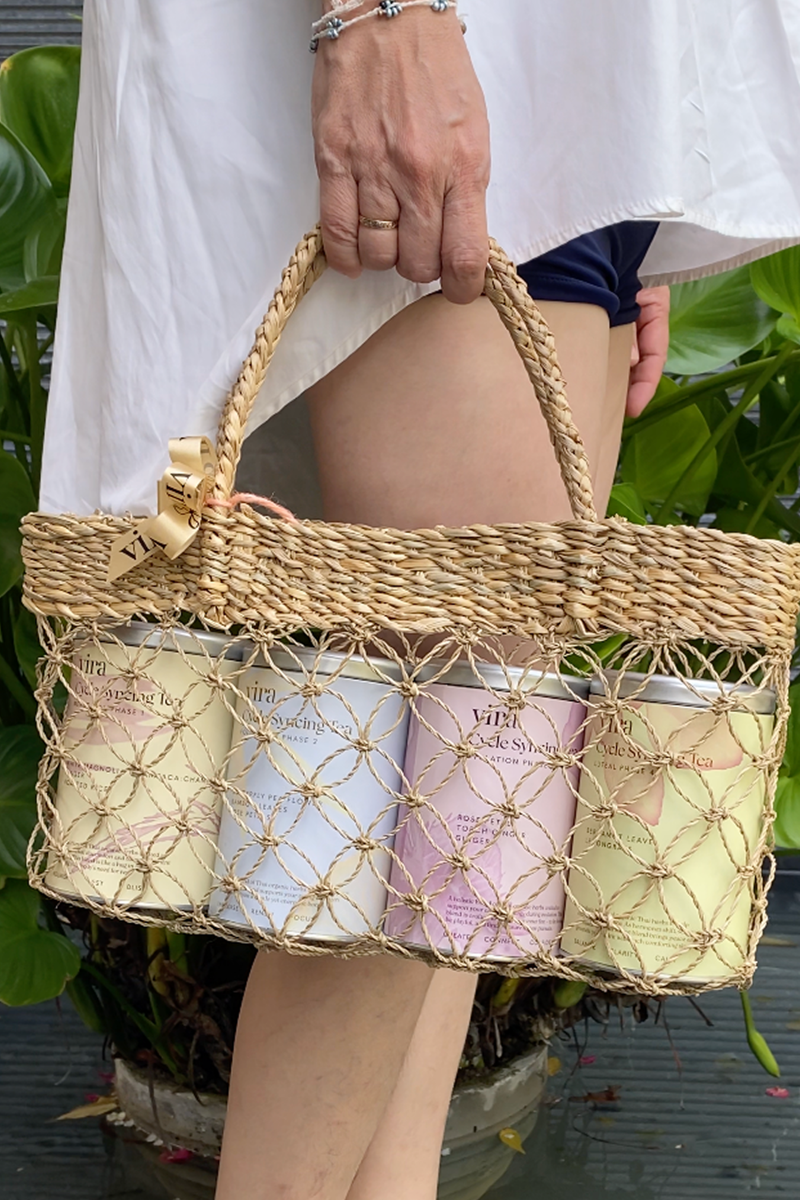
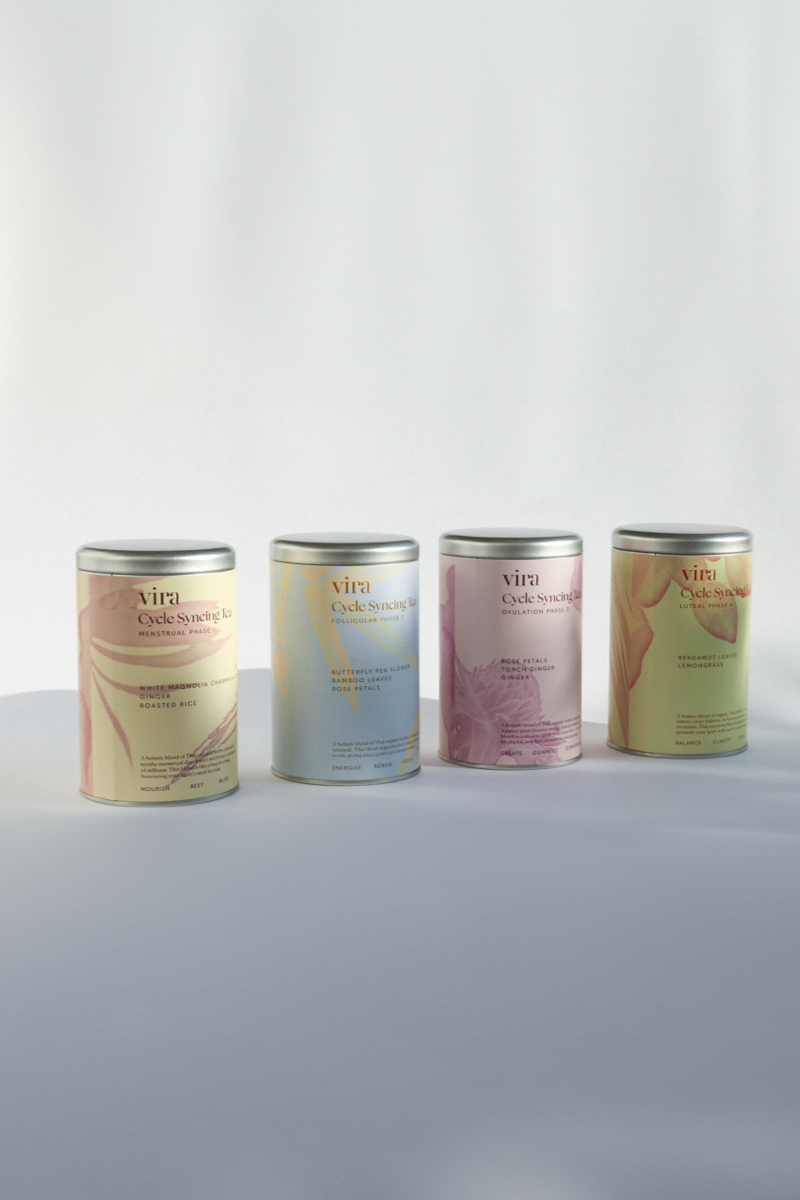
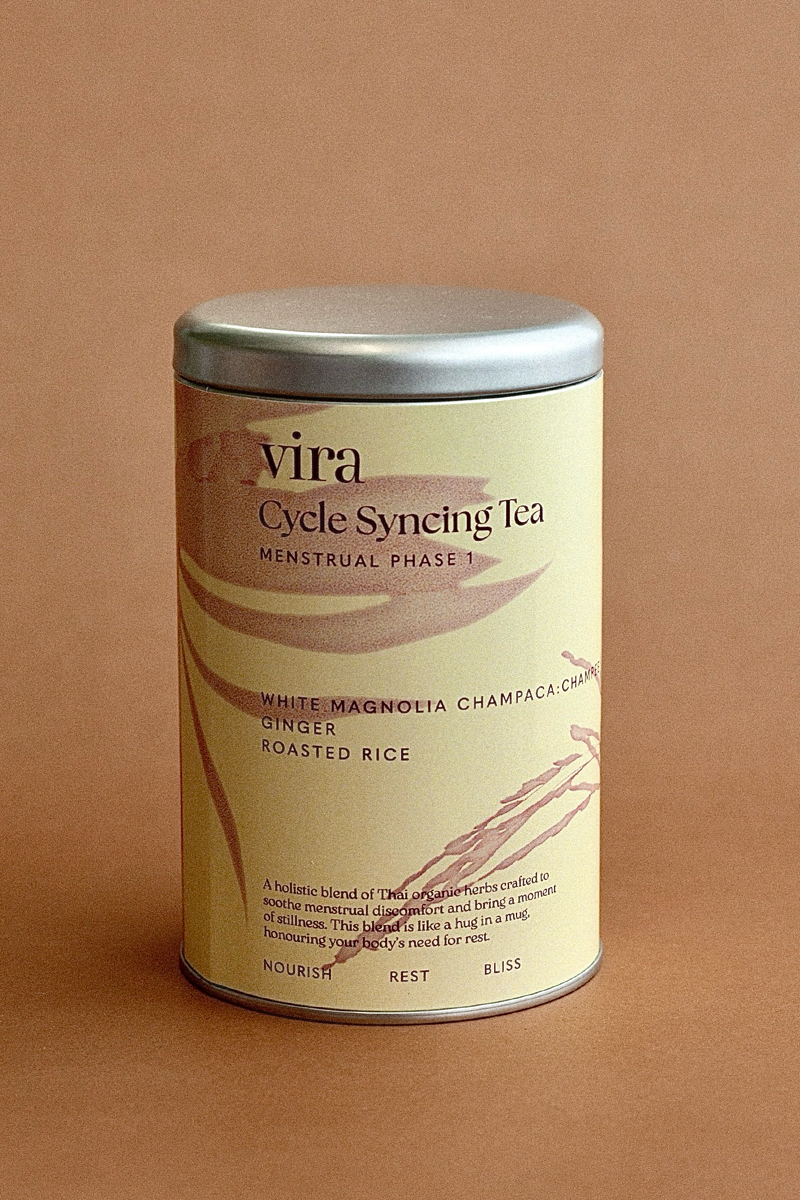
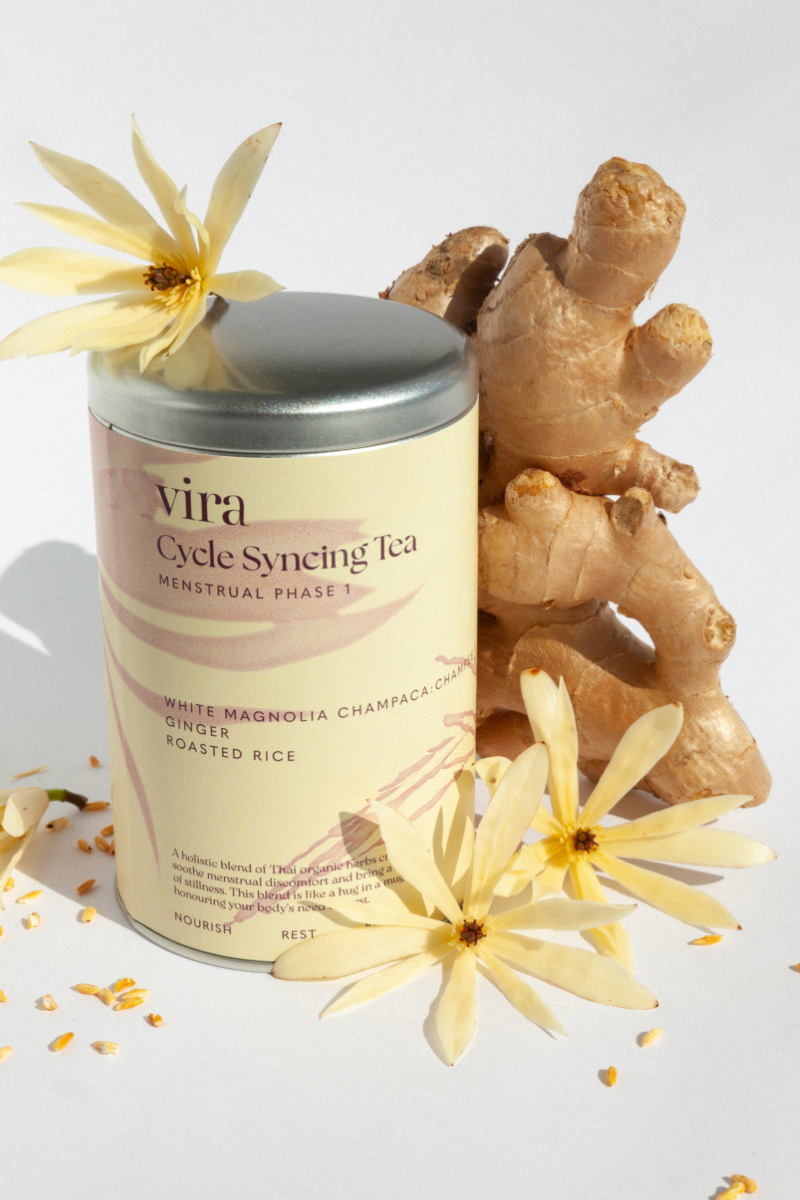
Heat therapy doesn't have to wait until pain becomes unbearable — it can simply be a moment to pause. Warm your compress, place it over your womb or lower back, and allow yourself to be at ease. Try brewing a cup of our Cycle Syncing tea designed for the menstrual period, turn on your favorite jam, and give yourself a ritual that is, dare we say, blissful?
When Should You See a Doctor About Period Pain?
Period pain is common, but severe pain every month isn't something you should have to accept. If pain interferes with school, work, sleep, or daily life — or has changed noticeably from what's normal for you — it's worth speaking with a healthcare professional, as it can sometimes point to underlying conditions like endometriosis or adenomyosis.
A heat compress isn't the answer to everything. Sometimes, it's simply a little warmth that reminds your body: you don't have to rush today. Rest for a while — we're listening.
How to Use Vira period pouch and After Care
How to Use
-
Warm in a microwave (800–1,000 watts) for about 30 seconds–1 minute
-
Add 30 seconds at a time if more heat is needed
-
Test the temperature before use
After Use + Care
-
Air out in a well-ventilated area before storing
-
Store somewhere dry and ventilated, away from direct sunlight
-
Avoid heating longer than recommended — this can damage the fabric and herbs
-
Outer cover can be hand or machine washed (laundry bag recommended); dry completely before reuse
-
Inner herbal pouch should not be washed or soaked, as this can degrade the herbs and trap moisture
-
If you notice a musty smell, mold, or damage, stop use and replace with a new herbal pouch
-
Proper care helps the compress last longer and keeps the herbs effective
References :
Boonruab, J., Nimpitakpong, N., & Damjuti, W. (2018). The Distinction of Hot Herbal Compress, Hot Compress, and Topical Diclofenac as Myofascial Pain Syndrome Treatment. Journal of evidence-based integrative medicine, 23, 2156587217753451. https://doi.org/10.1177/2156587217753451

%20%E2%80%94%20a%20simple,%20nurturing%20way%20of%20combining%20warmth%20with%20herbs%20to%20ease%20muscle%20tension,%20soothe%20aches,%20and%20help%20the%20body%20r...)