
How to use a menstrual disc
What is a menstrual disc ?
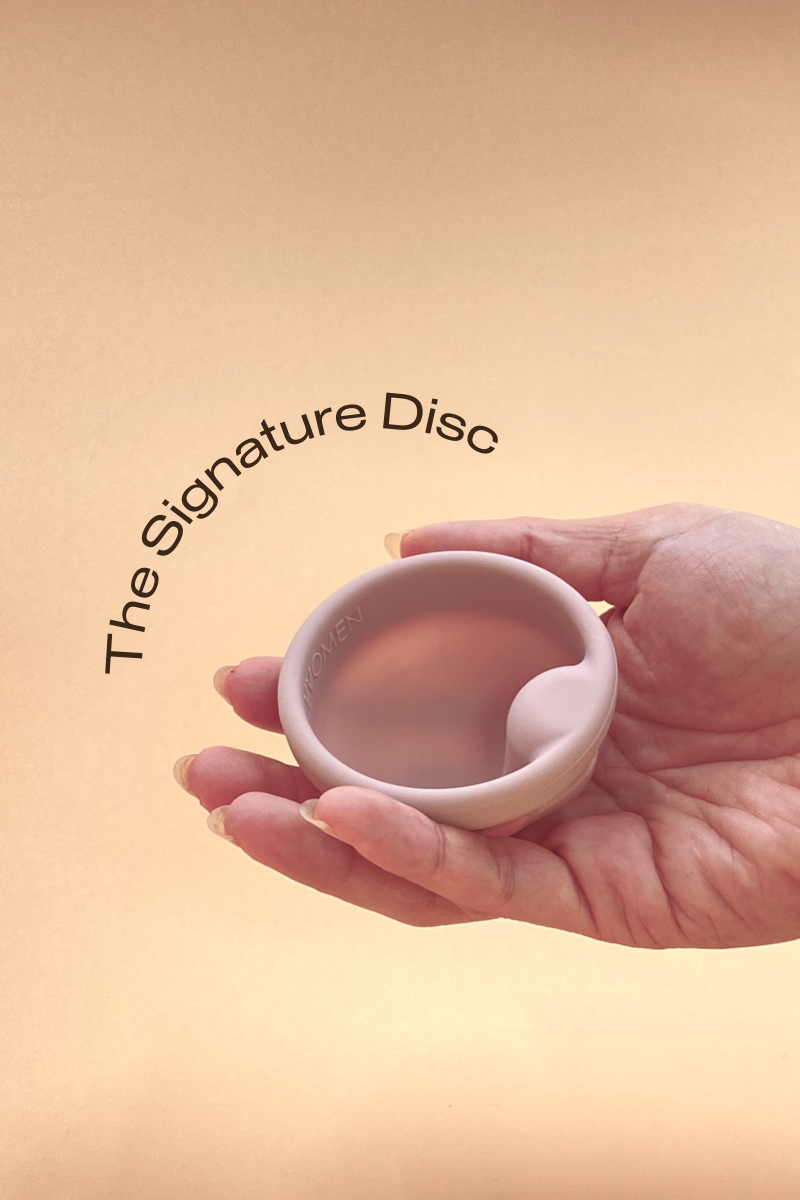
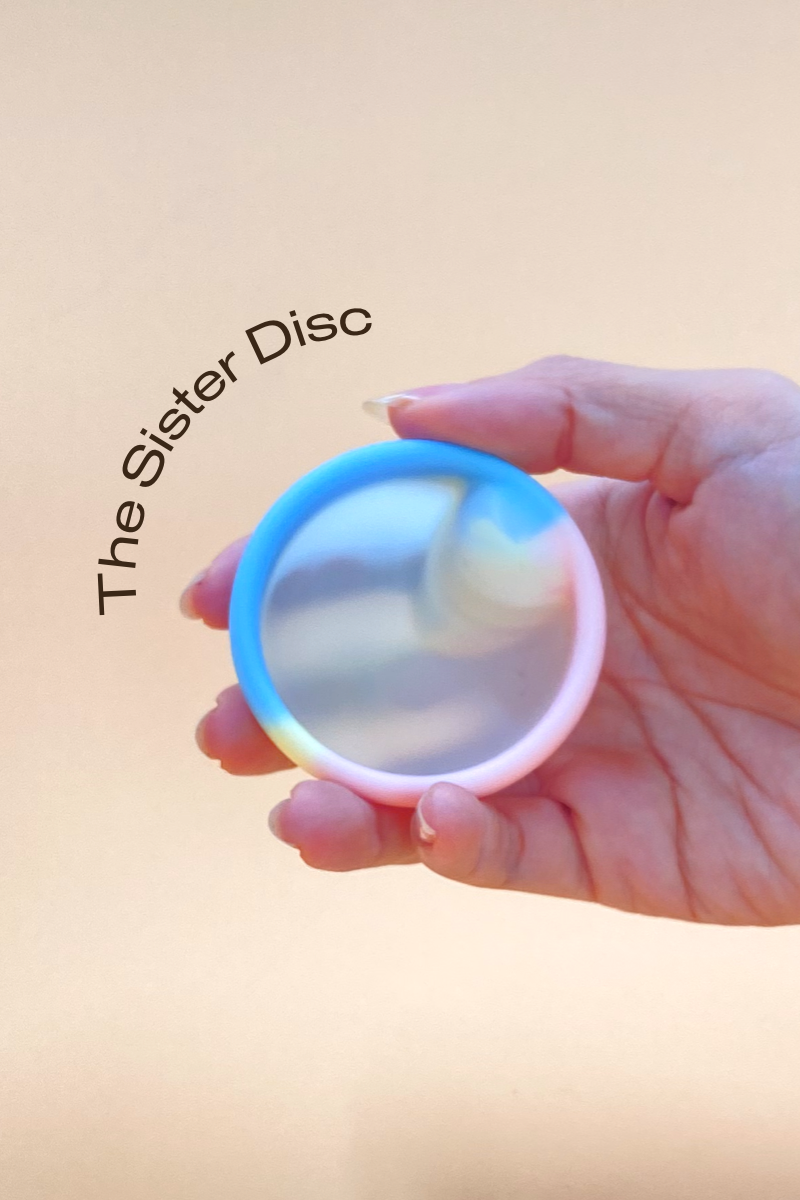
A menstrual disc, like a menstrual cup, is a reusable alternative to tampons and pads that collects menstrual fluid rather than absorbing it. One selling feature of menstrual discs is that, unlike menstrual cups, these products won’t create a vacuum suction in the vagina.
Many menstrual disc users prefer to use a disc because it is suction-free, and some people find the disc to allow for easier removals and/or more comfort. Menstrual discs sit in a larger area of the body called the vaginal fornix. The disc stays in place not by suction but by tucking securely behind the public bone. The placement and removal method ensure that the disc never creates a vacuum seal.
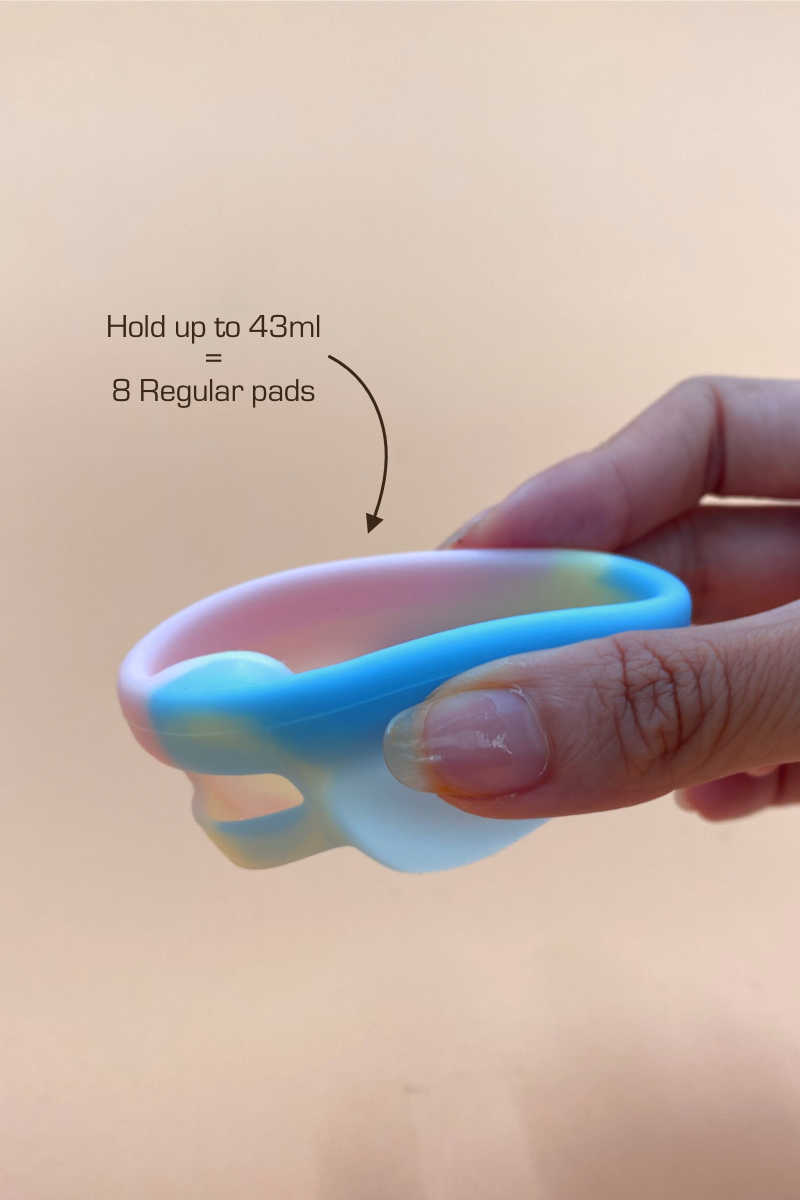
During your period, the uterine lining sheds and exits through the cervical opening. With a tampon, this fluid is absorbed. With a pad, it exits the vagina and is absorbed externally. With a menstrual disc, the blood collects in the basin until you remove and empty it
Most menstrual discs can be worn for up to 12 hours. Your exact wear time depends on your flow. People with an average flow can often go the full 12 hours, while people with a heavier flow may need to empty more often. Some disc users also experience “auto-dumping,” which is when the disc empties small amounts on its own while you use the bathroom, extending wear time for many users.

How to insert a menstrual disc
Once you learn the technique, insertion becomes quick and easy.
1. Fold or pinch the rim
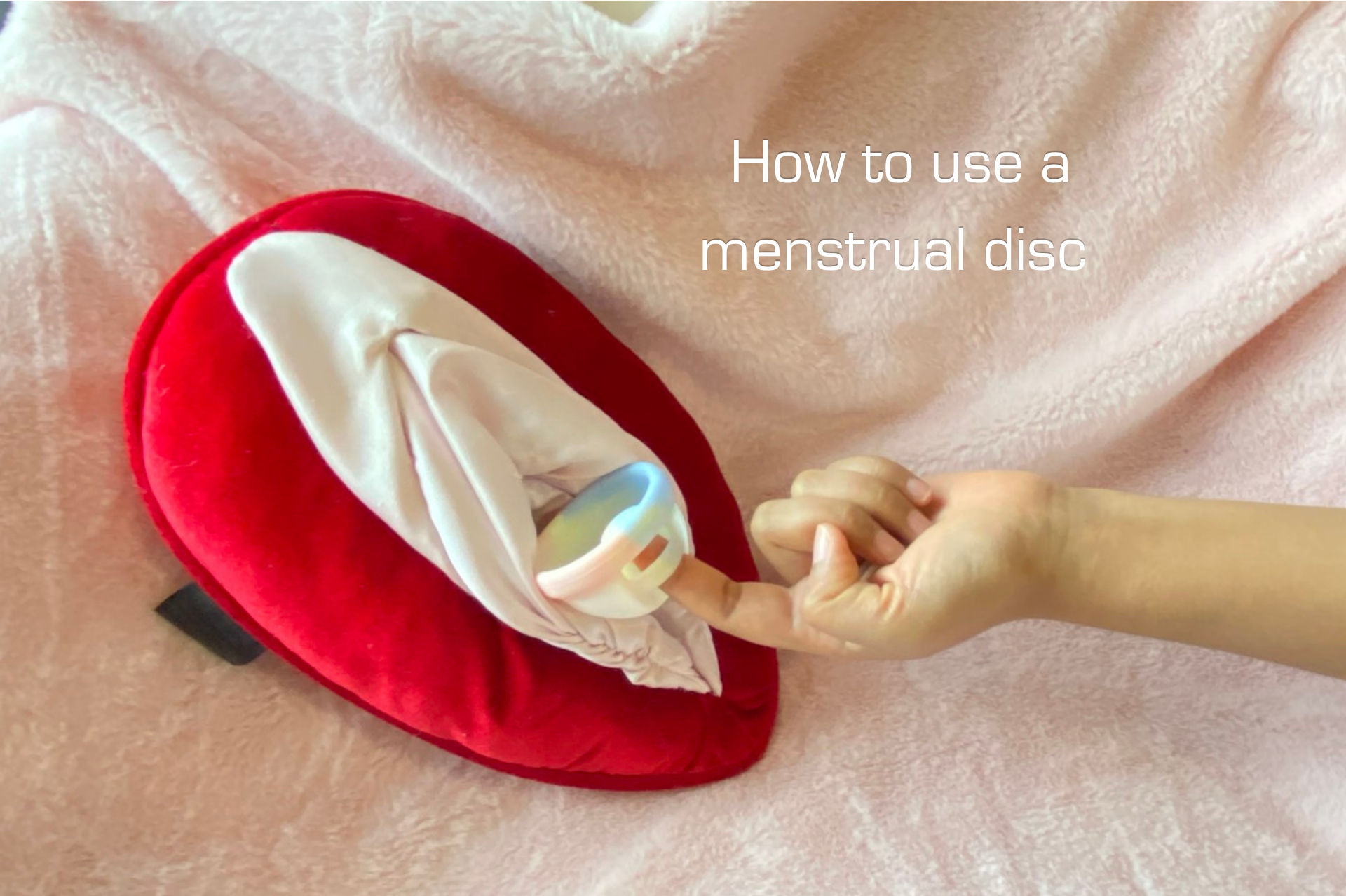
Most discs insert with a simple pinch fold : Pinch the discs rim together lengthwise. All discs fold in half to insert - easy peasy
2. Insert the disc
Guide the disc into the vagina at a slight downward angle (aiming toward the tailbone). Push it back and down until the basin settles into the fornix, below the cervix.
3. Tuck the rim behind the pubic bone
This part matters most for a leak-free fit. Once the back of the disc is in place behind the cervix, use a finger to lift the front rim up and tuck it securely behind your pubic bone. This creates stability and helps the disc stay in position.
Learning the angle and the depth may take a little practice. You can absolutely practice when you are not on your period.
How to know if your disc fits well
If the disc fits properly, you’ll usually feel this:
- You can barely feel it inside
- The disc stays securely in place behind the pubic bone
- No leaks (when inserted correctly)
Most users get consistent, comfortable results after one to three cycles of practice. Many people wear liner or period underwear during the learning phase.
If you have a lower cervix or unique anatomy, one disc may not fit everyone the same way. You may need to choose a size, shape, or firmness that feels more compatible with your body.
How to remove a menstrual disc

Ok, take deep breaths. The first rule of removing a menstrual disc is to relax. Being stressed or anxious when removing your disc can actually make removal more challenging. Remember these handy tips for when you’re ready to tackle your first menstrual disc removal.
1. Wash your hands thoroughly with soap
2. Relax your muscles
Tension lifts the disc higher, so take a breath and let your pelvic floor drop.
3. Hook the upper rim and gently pull it out
Use your finger to hook the top edge of the front rim of the disc, then gently pull it downward. Once the disc moves closer to the vaginal opening, use your thumb to lightly support the rim for better control. Then slowly remove it completely and empty the contents.
Wash the disc with warm water and a disc-safe cleanser if needed, then reinsert.
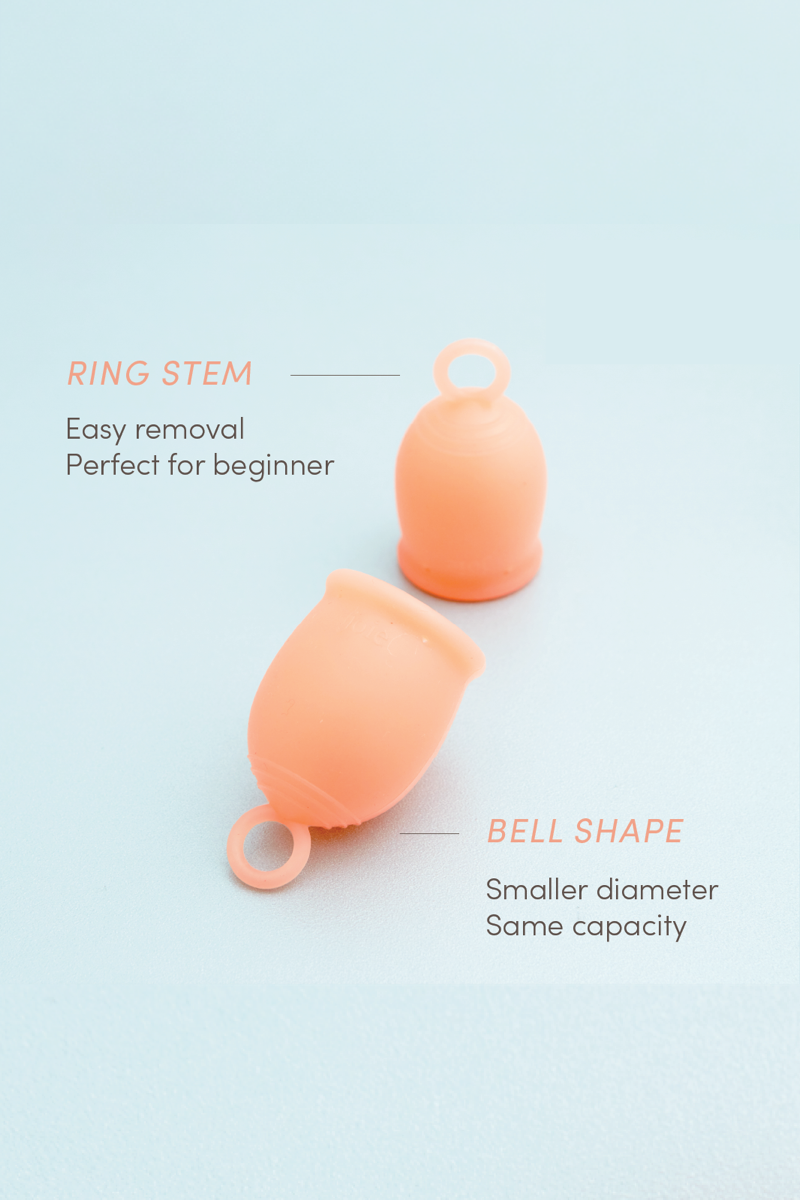
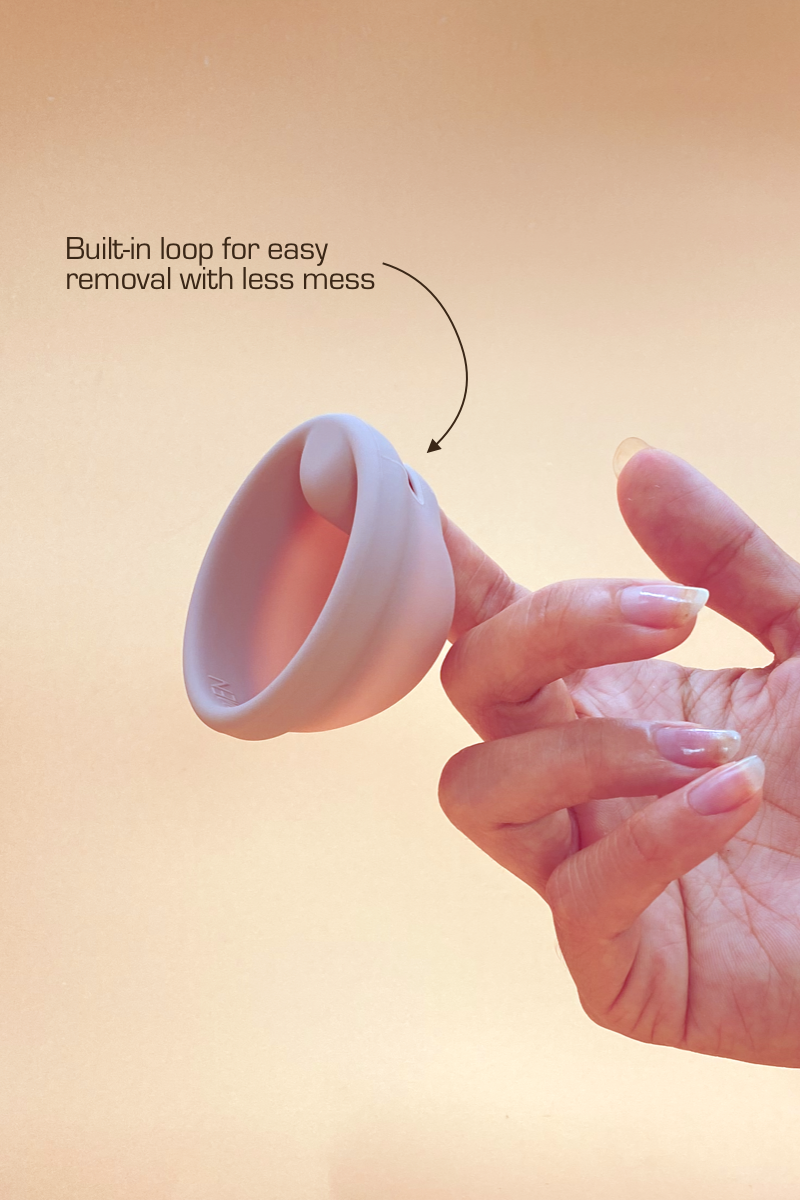
If you have long nails or trouble reaching the rim, discs with removal loops or stems can help make the process easier.
Tips for Menstrual Disc Success
1.Angle matters
Aim toward your tailbone during insertion and make sure the back of the disc is fully behind the cervix.
2. Make sure the front rim is tucked
A secure tuck behind the pubic bone is the number-one factor for preventing leaks.
3. Try different removal positions
Squatting, sitting on the toilet, or standing with one leg up can help you reach the rim more easily.
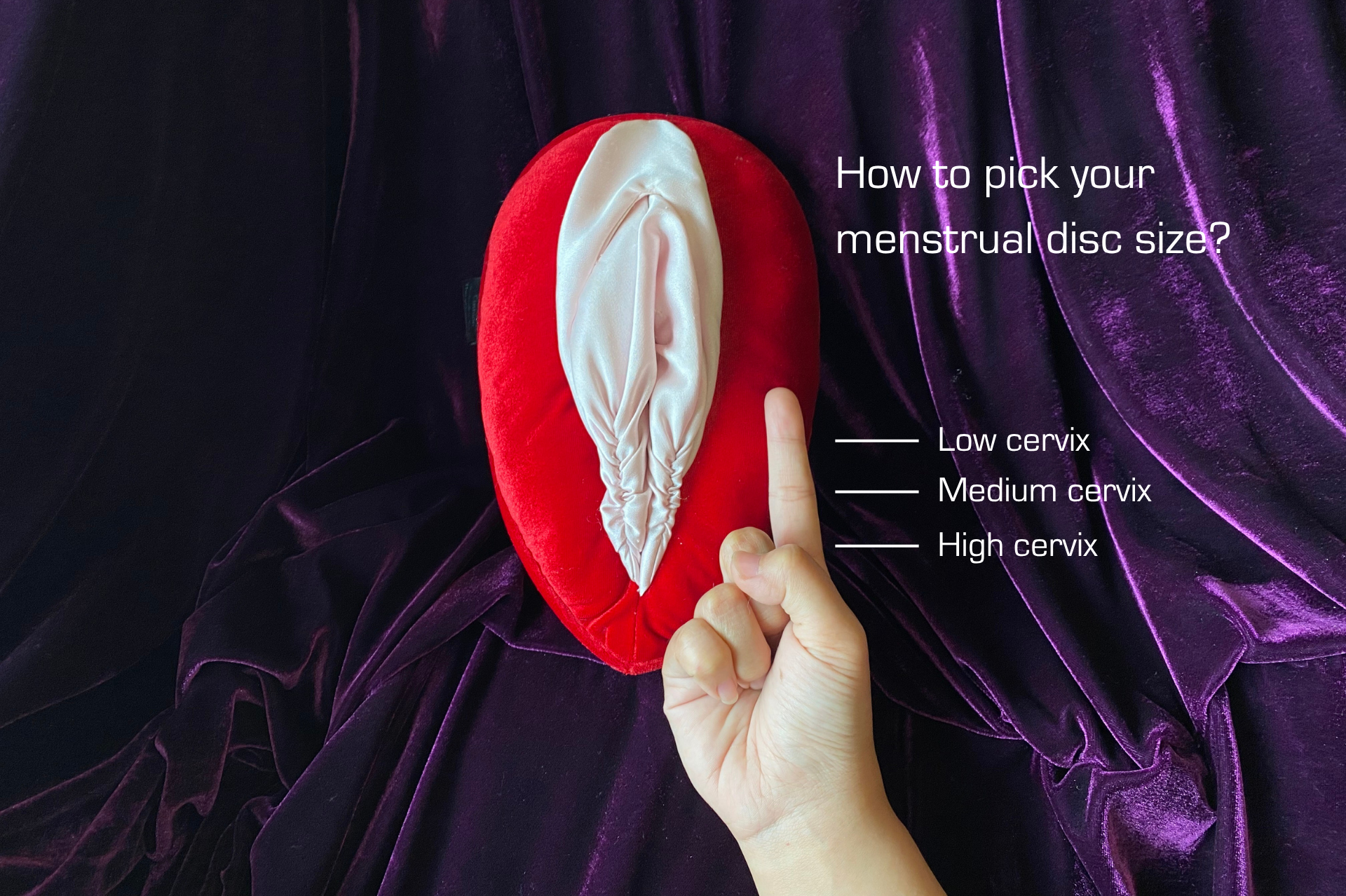
4. Learn your cervix height
A high or low cervix may influence which disc shape or firmness works best for you. Most people will fit a one-size disc, but if your disc slips during wear you may need to size up or down.
If you’re new to using a menstrual disc, practicing before your period starts can make the experience much easier.
You can begin by applying a small amount of water-based lubricant, then practice inserting and removing the disc. Without menstrual blood to worry about, it becomes much easier to focus on finding the right angle and getting familiar with how the disc feels.
In the beginning, try practicing different removal techniques to see which method feels most comfortable for you. When removing the disc, tilting it slightly upward can also help reduce spills.
Another tip that many people find helpful is to remove the disc for the first time while taking a shower. Since you don’t have to worry about making a mess, it can make the learning process feel much more relaxed and comfortable.
Are menstrual discs safe?
Yes, menstrual discs are considered a very safe option for internal menstrual care.
Unlike tampons, menstrual discs do not work by absorption, so they do not pull natural moisture away from the vaginal walls. This helps maintain the vagina’s natural balance and comfort.
Another concern many people have is Toxic Shock Syndrome (TSS). While TSS is extremely rare, the risk associated with menstrual discs is considered much lower than with tampons.
One reason is that tampons can sometimes cause tiny abrasions inside the vaginal canal, especially when worn for too long. Menstrual discs work differently and, when used correctly, do not create the same type of friction. This may help reduce the risk significantly.
In simple terms, menstrual discs are designed to be gentle on the body, and many users find them more comfortable for long-term wear as well.
Can you use a menstrual disc with an IUD?
If you have an IUD and are wondering whether you can use a menstrual disc, the answer is yes — many people can use them safely and comfortably.
Unlike menstrual cups, menstrual discs do not create suction inside the vaginal canal, which is why they are often considered a more IUD-friendly option.
The most important thing is to remove the disc gently and carefully, making sure not to pull on or catch the IUD strings during removal.
While no method can guarantee 100% that an IUD will never shift, many people successfully use menstrual discs together with an IUD without issues — especially when using proper removal techniques or after consulting a healthcare provider about trimming the IUD strings shorter if needed.
Can you poop and pee with a menstrual disc in?
Yes, you can use the bathroom normally while wearing a menstrual disc — both for urinating and having a bowel movement.
For many people, the disc stays in place comfortably without any issues. However, some may notice that the disc shifts slightly or feels a bit uncomfortable while using the bathroom, which is completely normal.
If you feel unsure or uncomfortable, you can simply remove the disc before using the bathroom and reinsert it afterward.
A helpful tip is to carry wet wipes or hand sanitizer with you, especially when using public restrooms. It can make reinserting the disc feel much cleaner, easier, and more comfortable.
How long can you wear a menstrual disc? Can you sleep with a menstrual disc in?
Menstrual discs can generally be worn continuously for up to 12 hours, which makes them a comfortable option for overnight use for many people.
However, if you have a heavier flow — especially during the first few days of your period — you may need to empty the disc more frequently.
And if you accidentally wear it slightly longer than 12 hours, there’s no need to panic. That said, it’s still not recommended to intentionally wear a menstrual disc beyond the suggested time limit, as there is currently limited research on the safety of extended continuous wear.
Learning your body gradually, giving yourself time to adjust, and practicing patiently can make a big difference. Sometimes, simply changing your position, relaxing more, or trying again on a day when you’re not in a rush can greatly improve the experience.
With love,
Vira